
SEO Roadmap Template: How to Build a 90-Day Roadmap (Without Guessing)
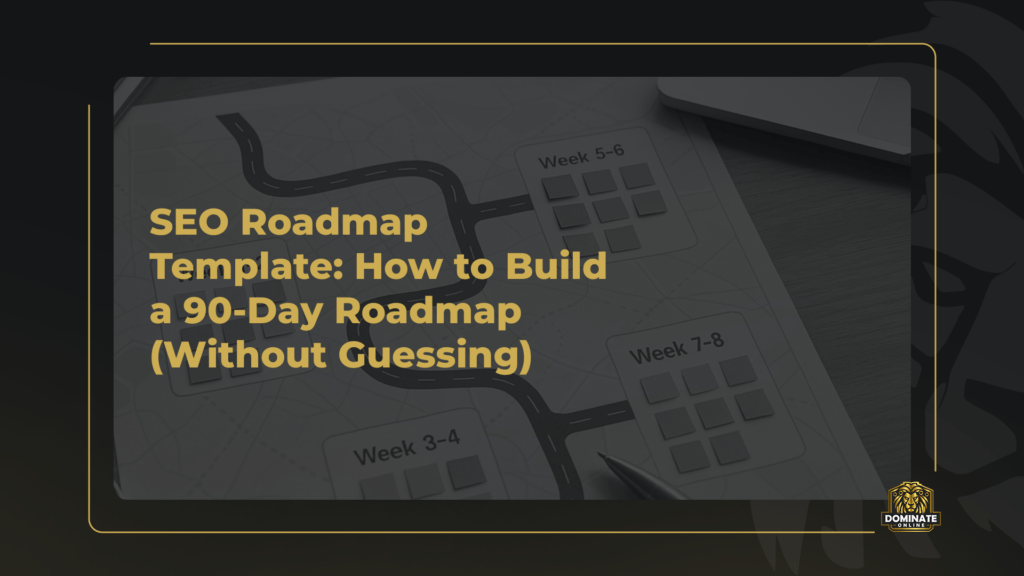
Use this SEO roadmap template to turn audit findings into a 90-day plan with ICE scoring, dependencies, and weekly deliverables your team can ship.
SEO Troubleshooting: The Fastest Way to Diagnose a Traffic or Ranking Drop
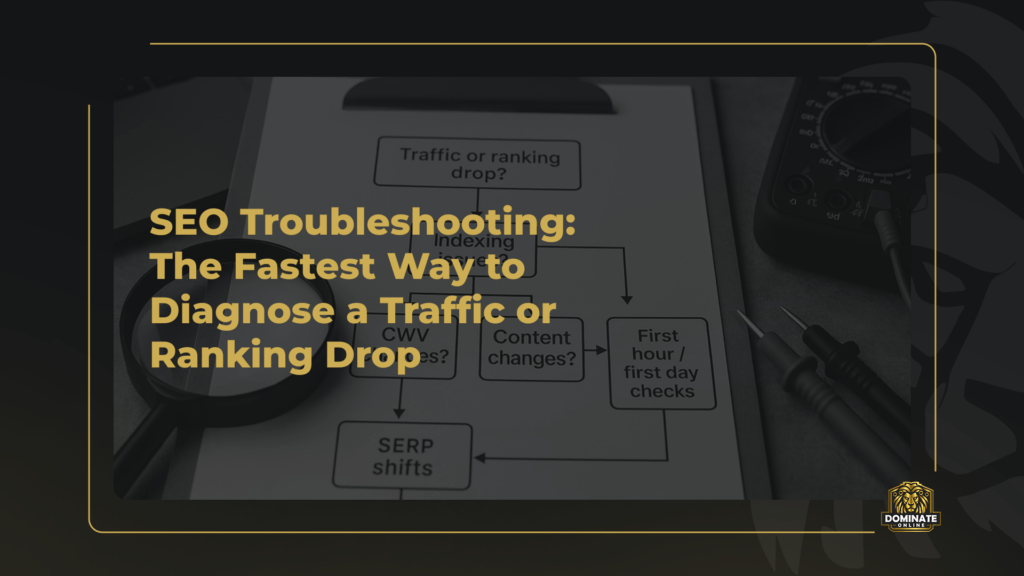
Use this SEO troubleshooting triage to diagnose traffic or ranking drops fast—confirm data, isolate scope, fix indexing, performance, and SERP shifts.
Schema for AI Search: Structured Data That Helps Your Pages Get Quoted

Learn schema for AI search: the structured data and page layouts that help AI systems extract key facts and quote your pages with confidence.
Topic Clusters SEO: The Hub-and-Spoke Model That Scales Rankings Faster
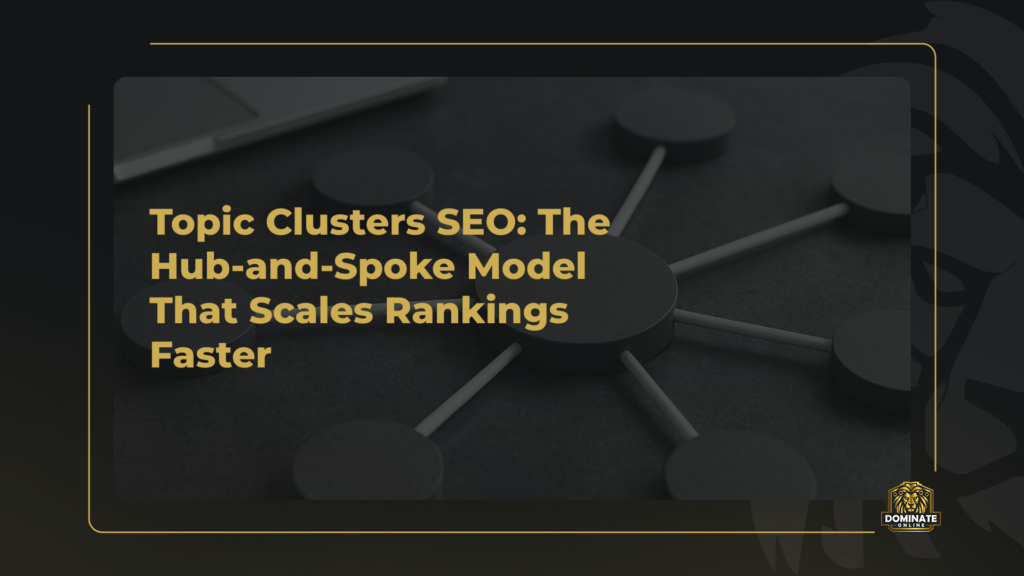
Use topic clusters SEO and the hub-and-spoke model to scale rankings, strengthen internal linking, and avoid keyword cannibalisation with a clear workflow.
Topical Authority SEO: How to Build “Category Ownership” (Not Just Rankings)
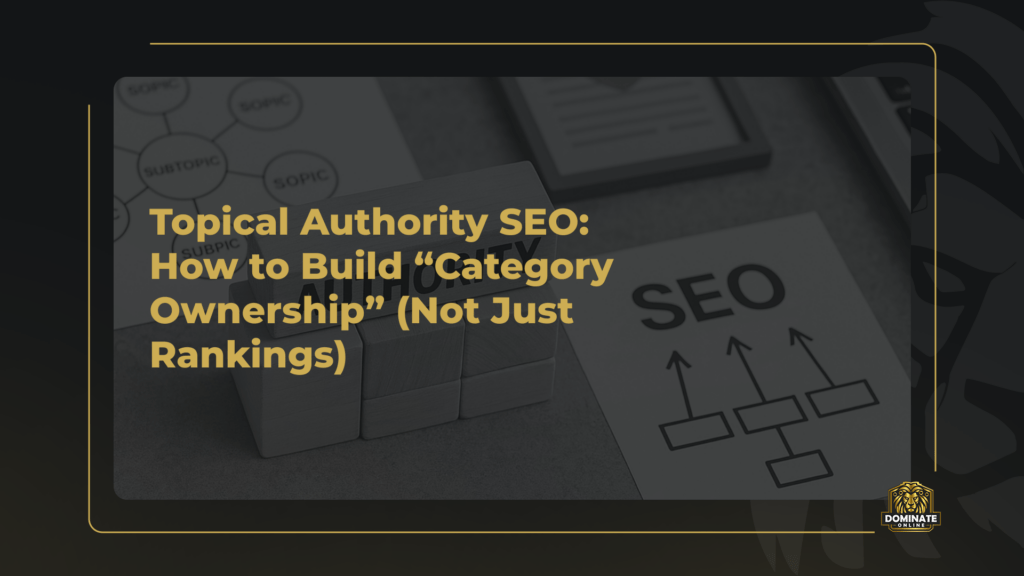
Build topical authority SEO with pillars, clusters, internal links, and proof blocks to earn category ownership and grow durable rankings in AI search.
SEO Content Plan: A 90-Day Publishing Plan Built Around Buyer Intent

Build a 90-day SEO content plan around buyer intent with a simple cadence, hub-and-spoke linking, and AI-ready pages that drive leads.
Topical Authority Map: How to Plan Clusters Buyers Actually Search For
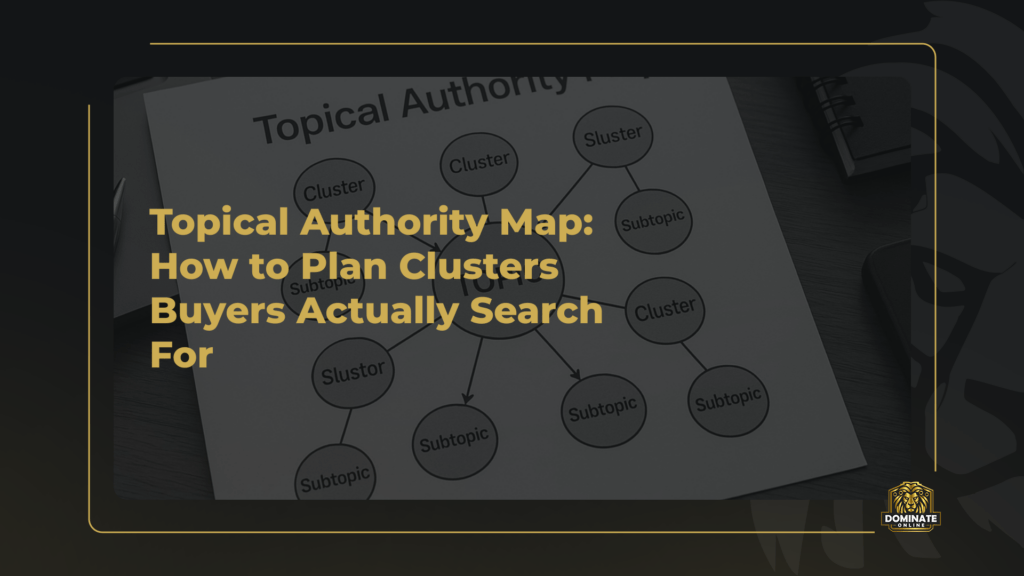
Build a topical authority map from buyer intent to clusters, internal links, and a publish roadmap so AI-ready pages rank, convert, and get cited.
AI Search Optimisation: How to Make Your Site “Answer-Ready” for LLMs
AI search optimisation checklist to make your site answer-ready for LLMs with clear summaries, evidence, entities, structure, and smart internal links.
Competitor Backlink Analysis: What to Copy, What to Ignore, and How to Catch Up
Run a competitor backlink analysis to spot repeatable link patterns, ignore spam, and build a 90-day plan to catch up with high-signal backlinks.
Competitor Keyword Research: How to Steal the Right Keywords (Without Guesswork)
Use competitor keyword research to find SEO gaps, score the best opportunities, and turn them into page briefs and a winning content queue.